A PALMER & KRISEL MID-CENTURY MODERN · 1958
Great architecture is not just seen. It is lived.
A home with provenance.
A rare mid-century modern home for sale in Los Angeles — a 1958 Palmer & Krisel residence in the San Fernando Valley.
18334 Hiawatha Street
Call 424-249-9557 directly to arrange a private showing.
Dan Palmer & William Krisel, AIA
Living-Conditioned Homes · 1958
Offered at $1,595,000
3 Beds / 2 Baths
Approx. 1,890 sq. ft.
Approx. 11,100 sq. ft. lot · Private heated pool & spa
Schedule a Private Showing: 424-249-9557
View Full DetailsLIVING-CONDITIONED HOMES
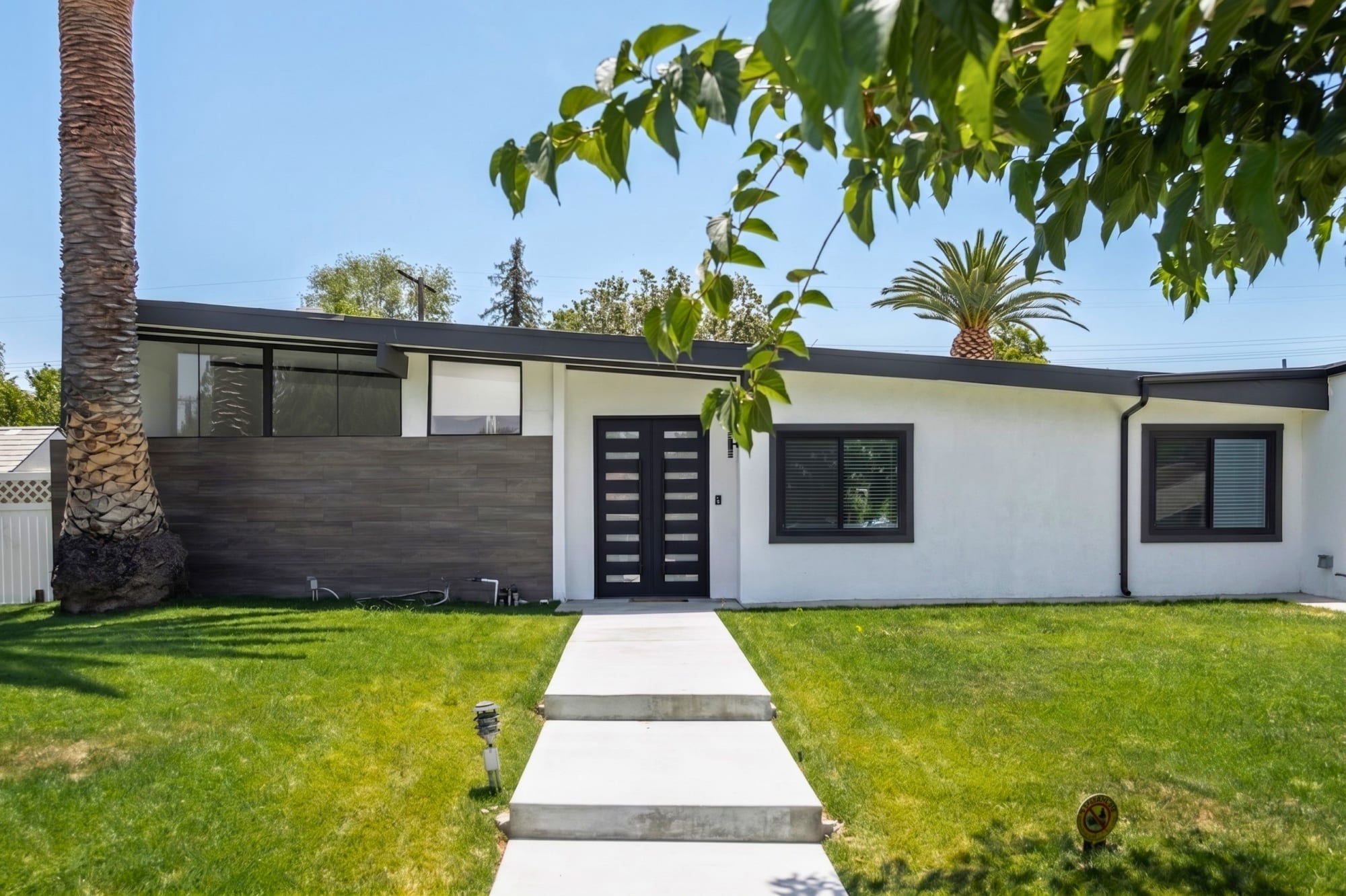
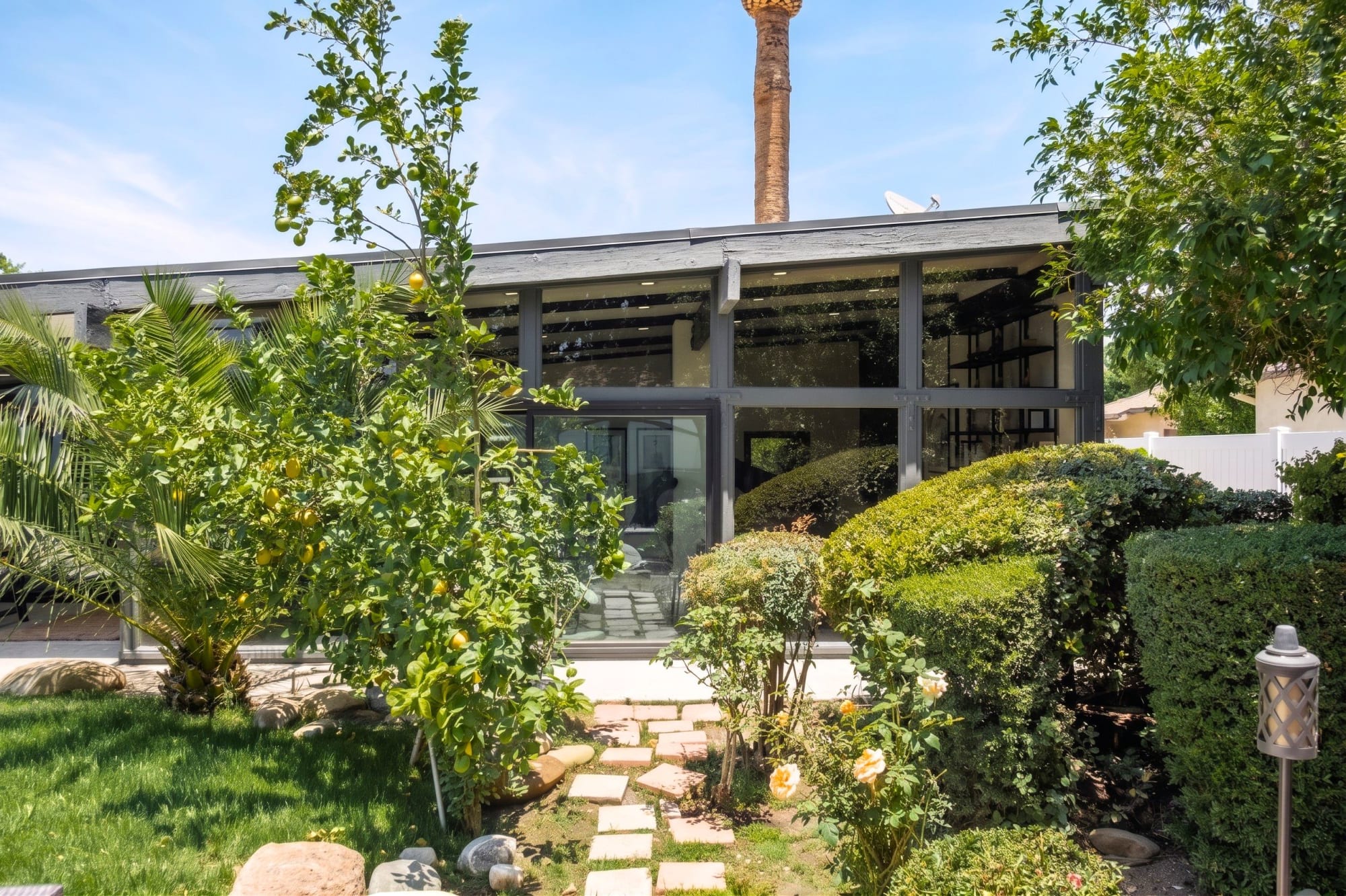
In the late 1950s, architects Dan Palmer and William Krisel set out to bring modernism out of the museum and into daily life. They called the result Living-Conditioned Homes — houses meant not to be admired from a distance, but inhabited. Walls of glass dissolve the line between inside and out; butterfly ceilings lift toward the light; rooms open to the garden. Built in 1958, this residence is one of them — warm, livable, quietly dramatic, and unmistakably Californian.
PALMER & KRISEL
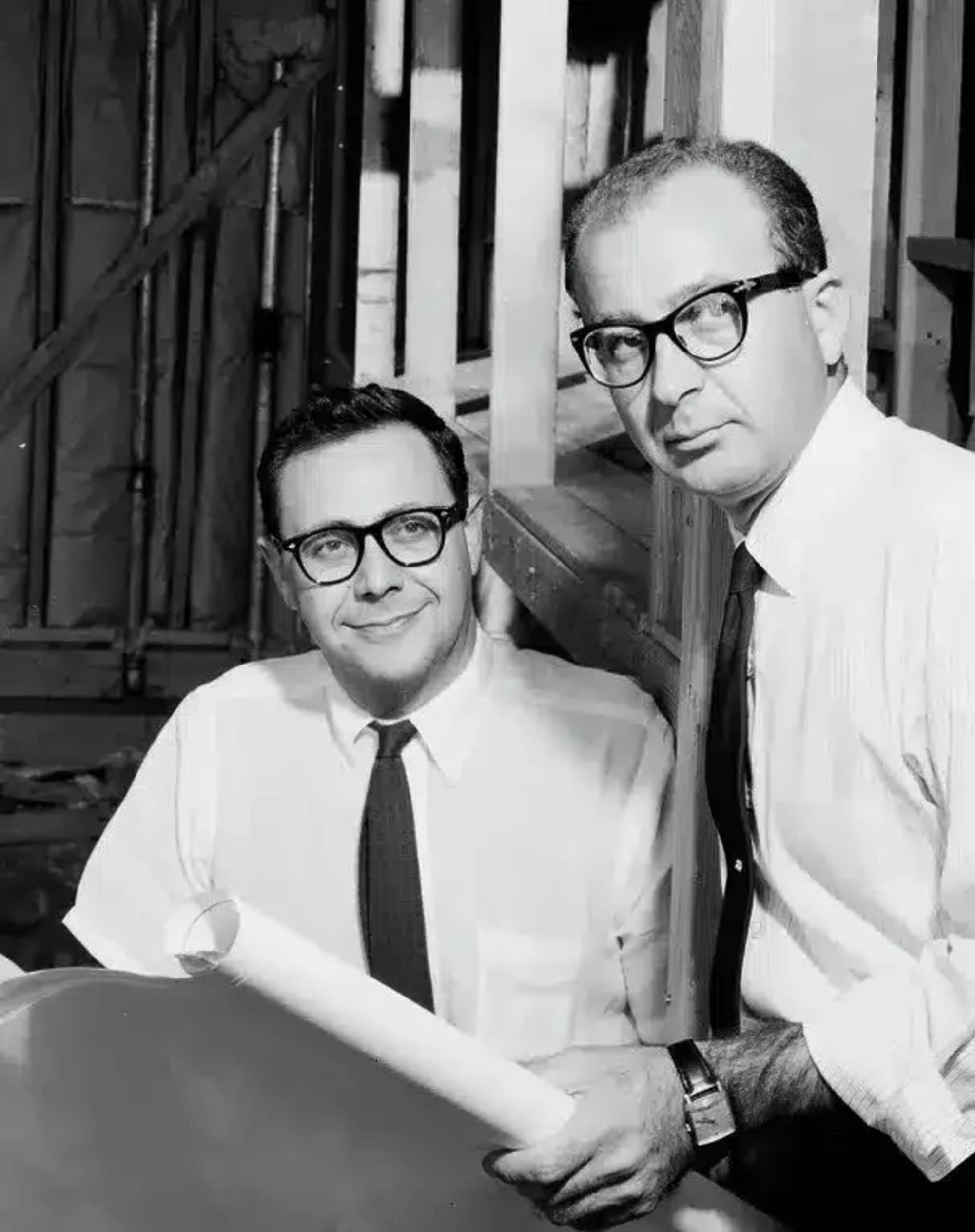
The home was designed by Dan Palmer and William Krisel — two architects who set out to do what the profession mostly ignored: make great modern design affordable to ordinary families. While others chased prestige through one-off custom houses, Krisel did the opposite, drawing tens of thousands of modern homes across California and becoming one of the very few architects to truly bring Modernism to the masses.
Born in Shanghai and raised in Los Angeles, Krisel studied architecture at USC — an education interrupted by the war, when he served as a Chinese interpreter. He was also a trained landscape architect, which is why these houses sit so easily in their gardens. With Palmer, he is best known for the Palm Springs tracts that came to define mid-century modern as we know it. This home shares that lineage: the same vocabulary of glass, beam, and light, set down in the San Fernando Valley.
The tract was advertised in the 1950s as 'keyed to good living' — a phrase Krisel himself dryly called 'advertising puffery.' Nearly seventy years later, it turns out to have been true.
ARCHITECTURAL PROVENANCE
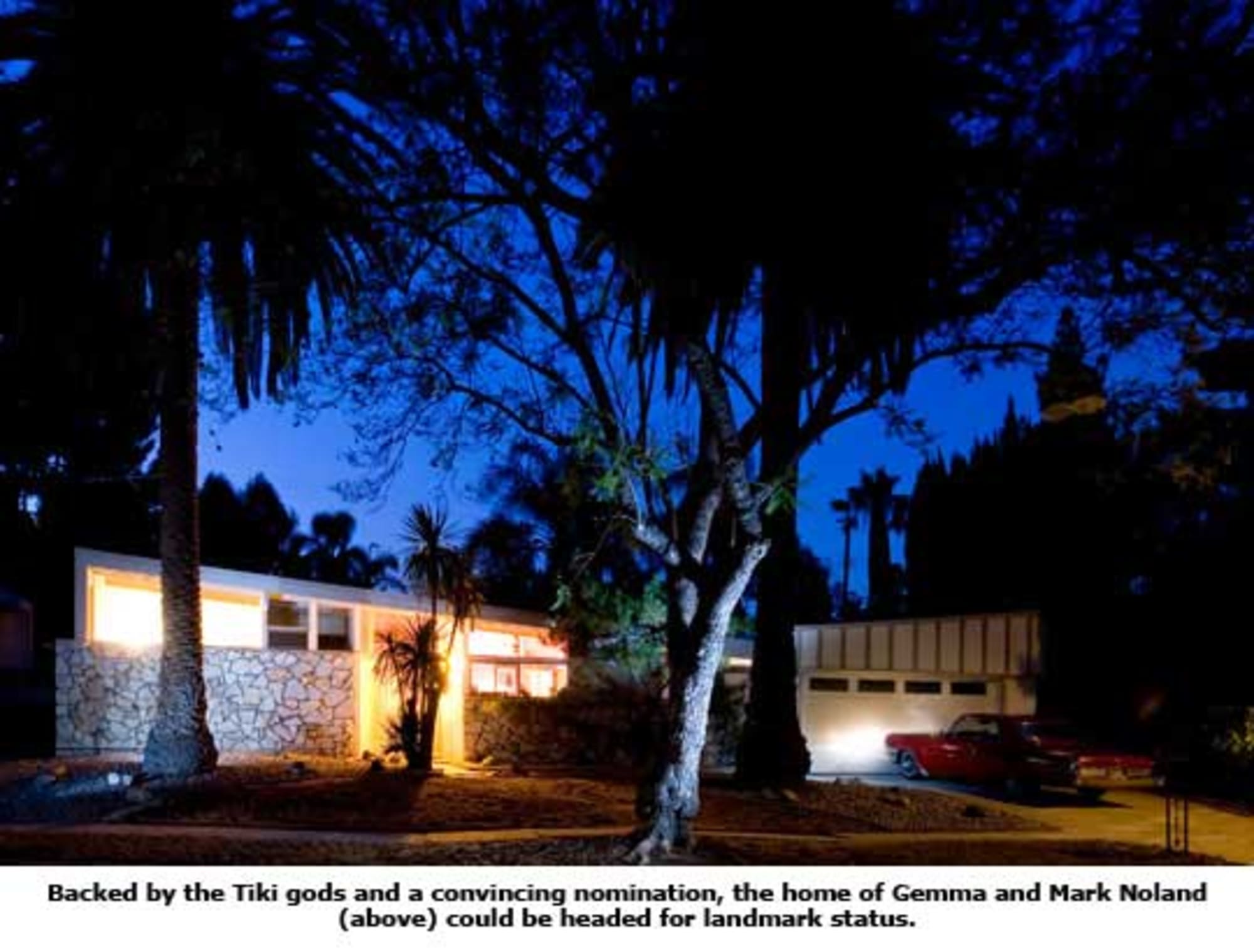
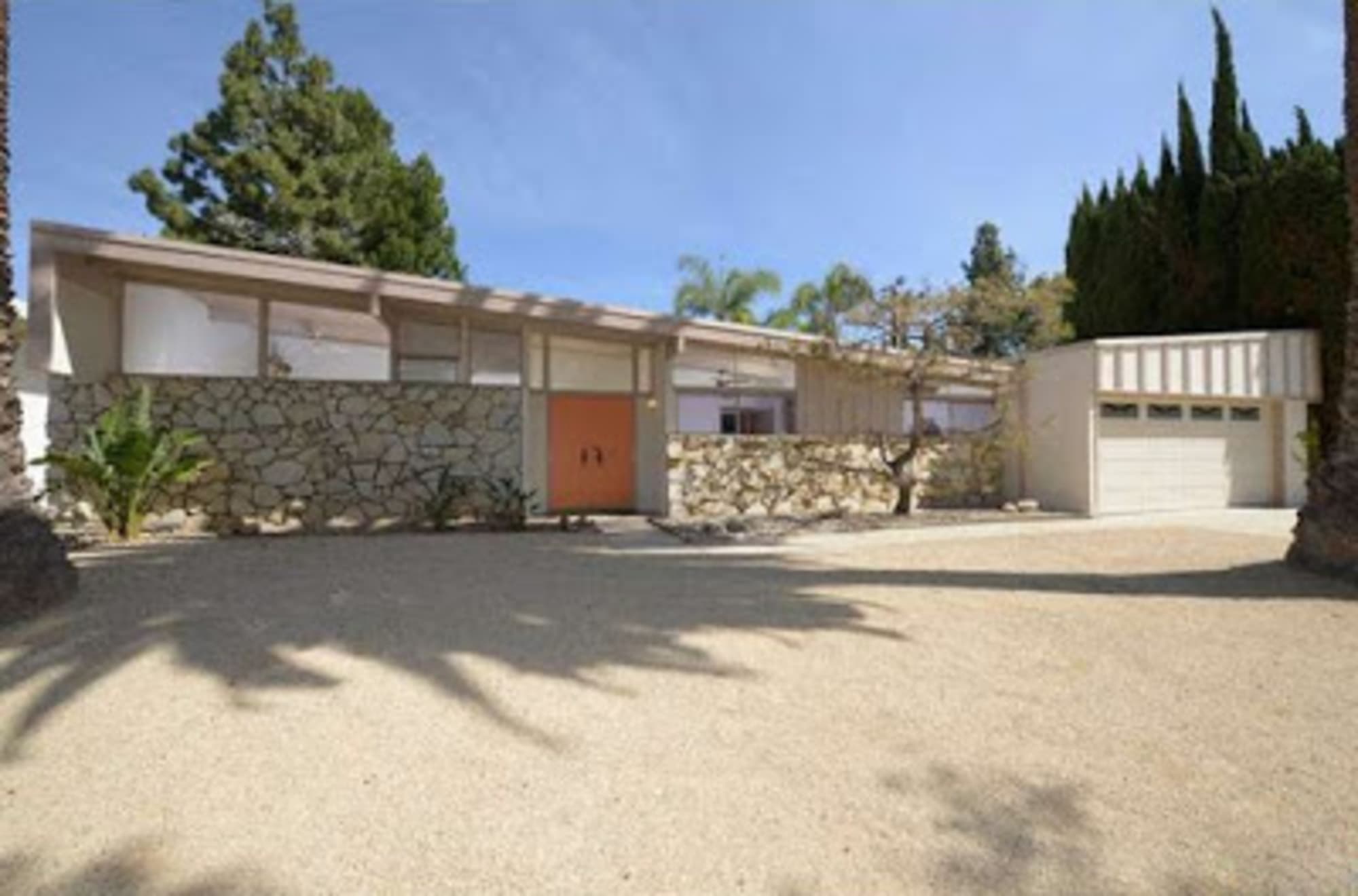
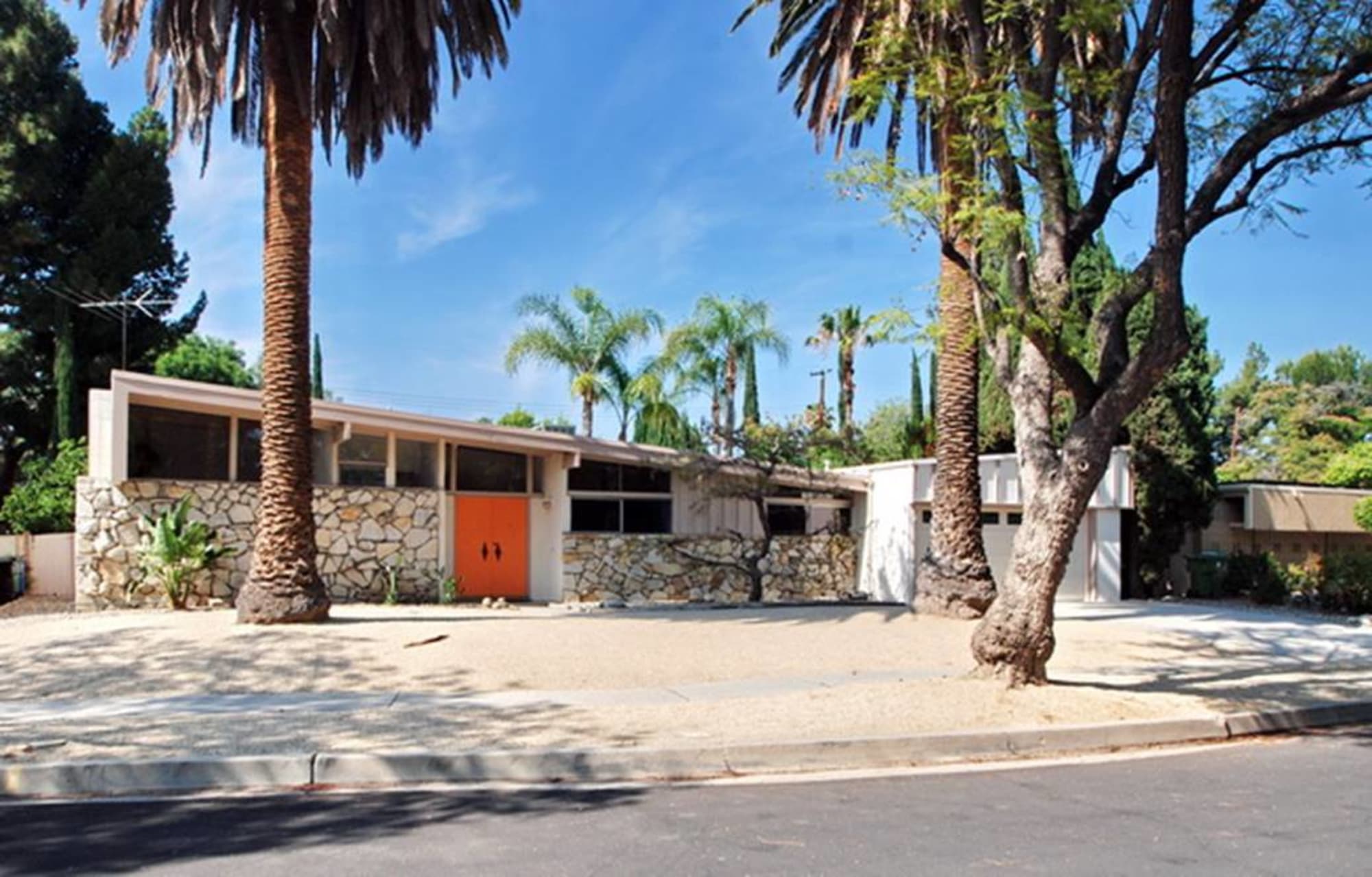
At the northeastern corner of Reseda Boulevard and Devonshire Street sits one of the most distinctive Mid-Century Modern neighborhoods in the San Fernando Valley. Developed by Sanford D. Adler in 1958–59 and designed by Palmer & Krisel, the Living-Conditioned Homes were built from five basic plans — varied in orientation, setback, and finish so the street reads as harmonious but never repetitive. Its most recognizable signature is the flamboyant butterfly roofline this house still wears today.
THE ARCHITECTURE
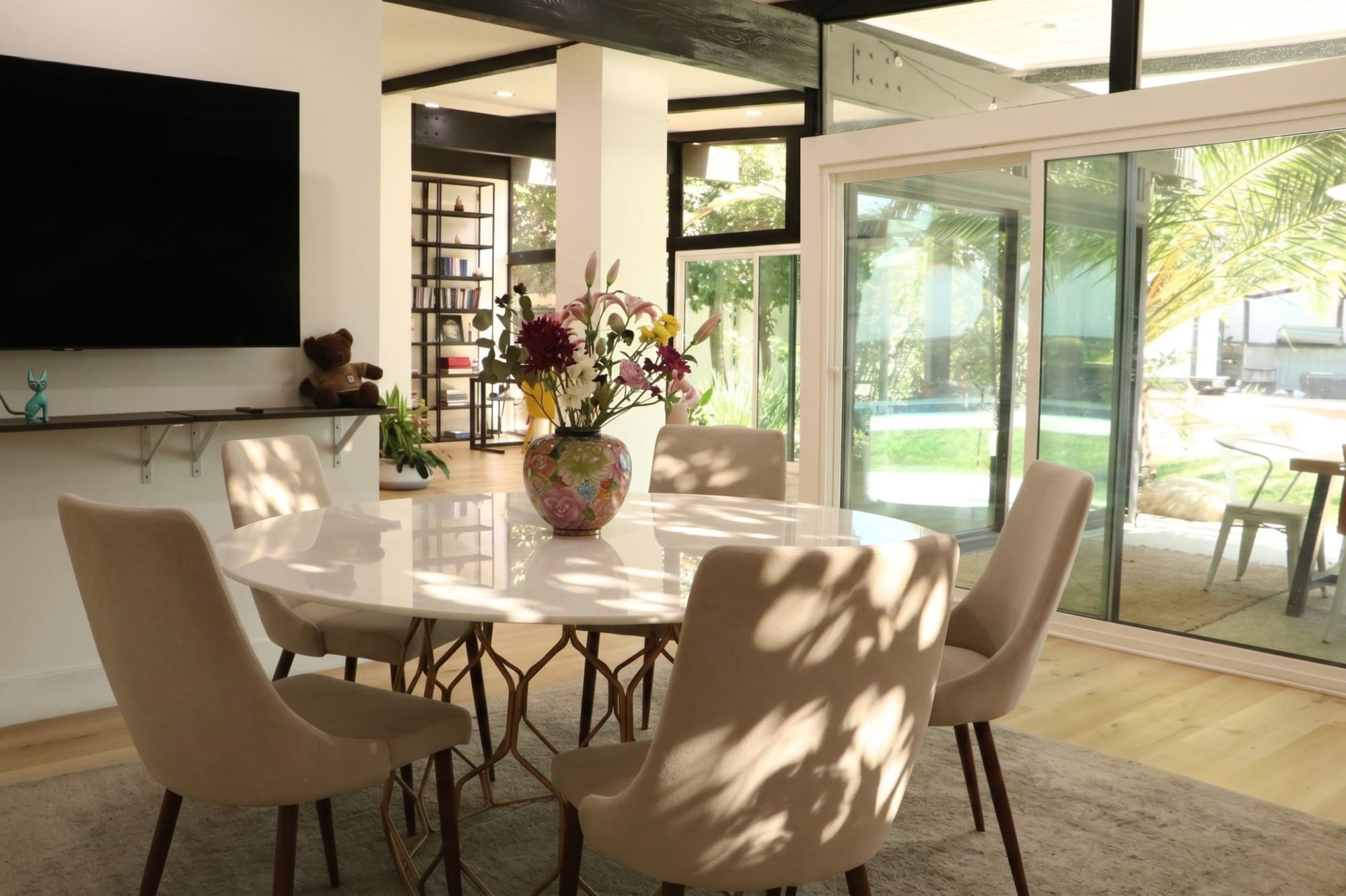
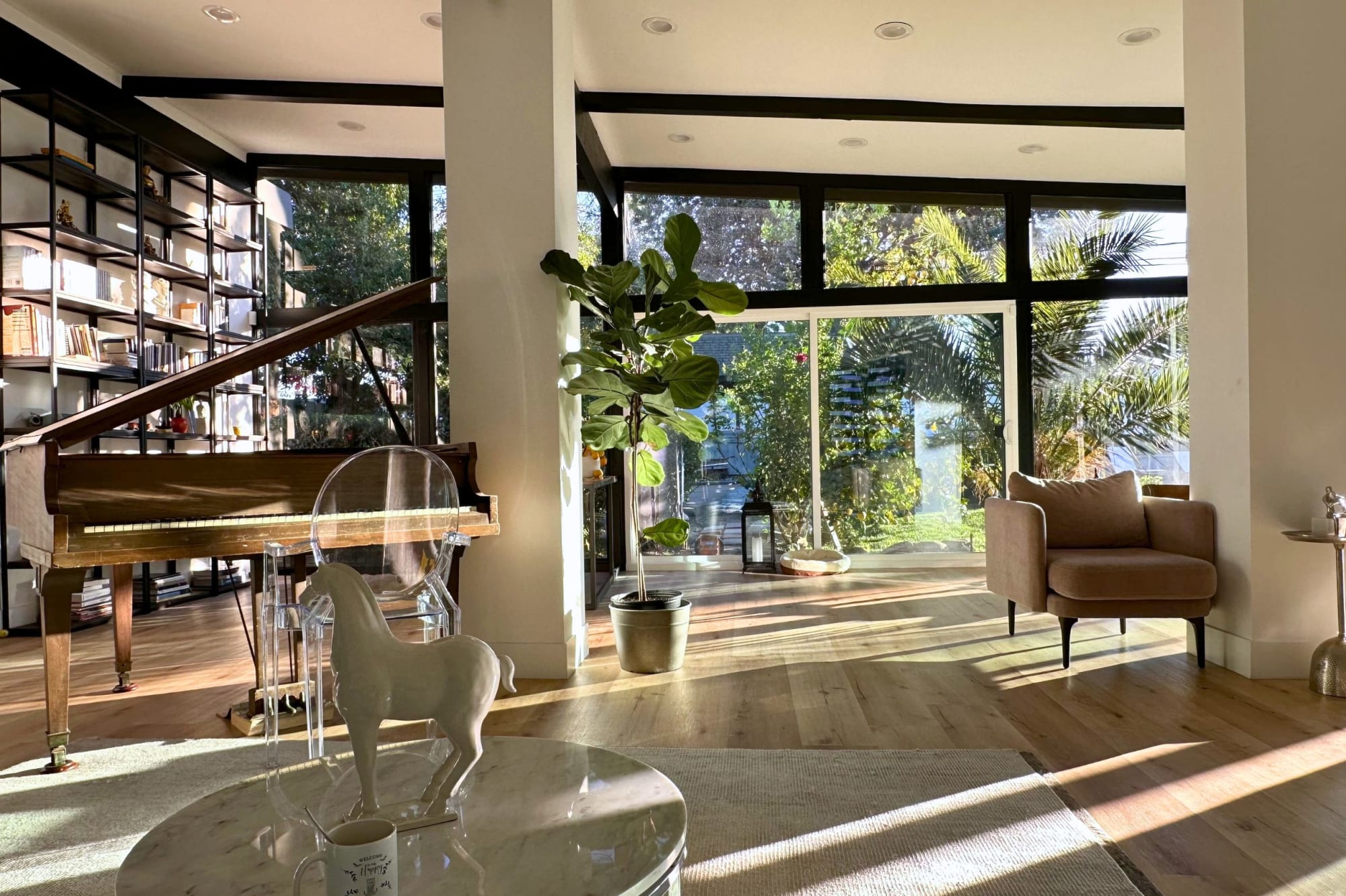
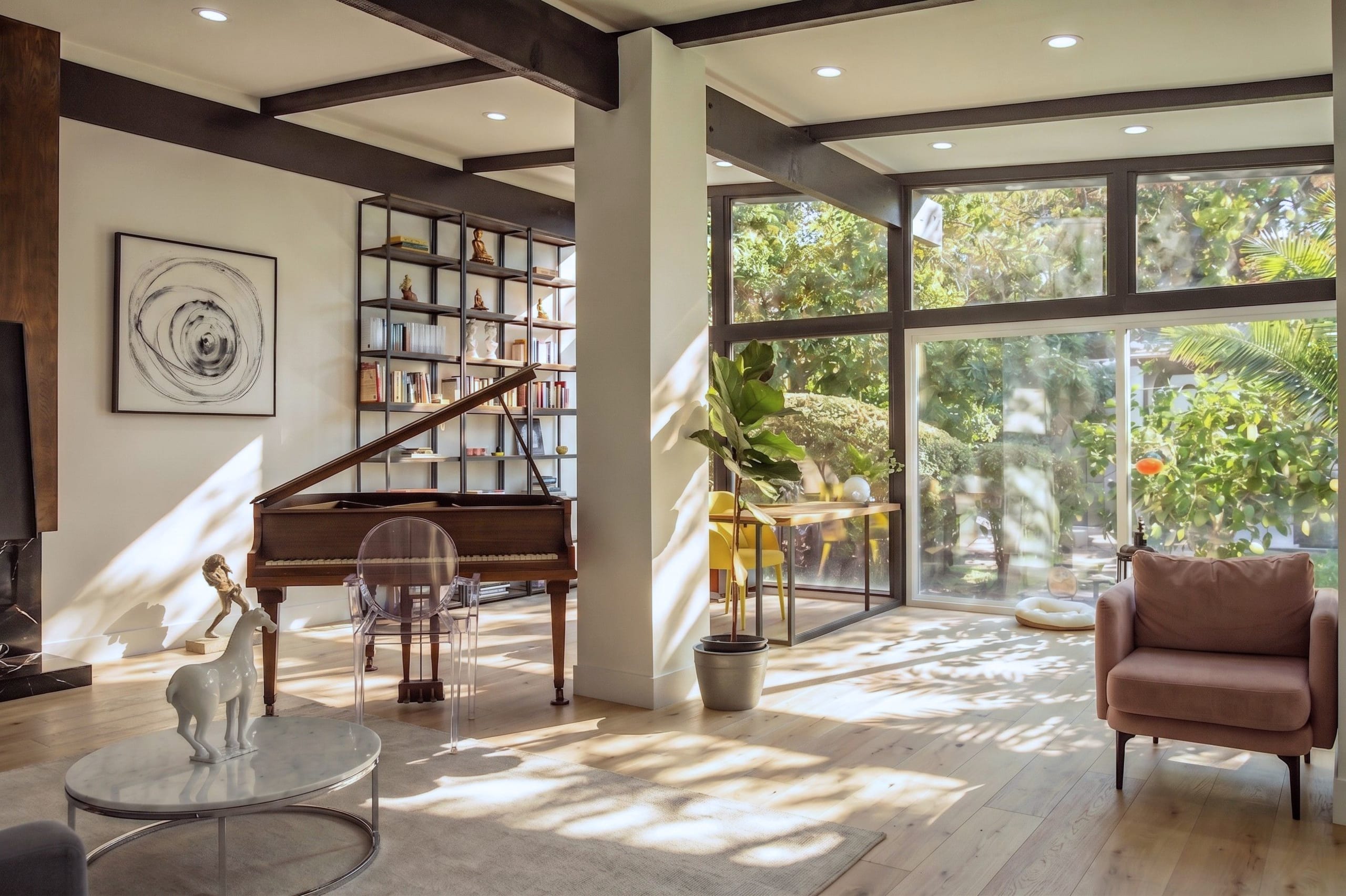
Mid-Century Modern was never a style applied to these homes — it was a way of living built into them. The butterfly roofline isn't decoration; it lifts the ceiling toward the sky and lets clerestory windows pull daylight deep inside. Post-and-beam construction means the walls don't hold the house up, so they're free to dissolve into glass. Inside and outside stop being separate ideas.
Across the Living-Conditioned tract, Palmer & Krisel worked from five core plans, varying orientation, setback, and finish so the neighborhood feels harmonious but never repeated. This is one of the originals — built in 1958, thoughtfully renovated in 2022 so the architecture stays true while the comfort is fully current. Few homes of this pedigree come to market, and fewer still arrive this carefully kept.
WHY IT ENDURES
Why Mid-Century Modern Endures
More than half a century past its heyday, mid-century modern still feels current. Its warm woods, clean lines, and quiet geometry read as fresh today as they did in the 1950s — and its insistence on function over fuss feels, if anything, more useful now. Part of its staying power is how easily it absorbs change: a new piece of art, a small shift in layout, and the rooms feel renewed without losing their character. Good modern design, as Krisel believed, was meant to make daily life a little happier. Seventy years on, it still does.
INSIDE
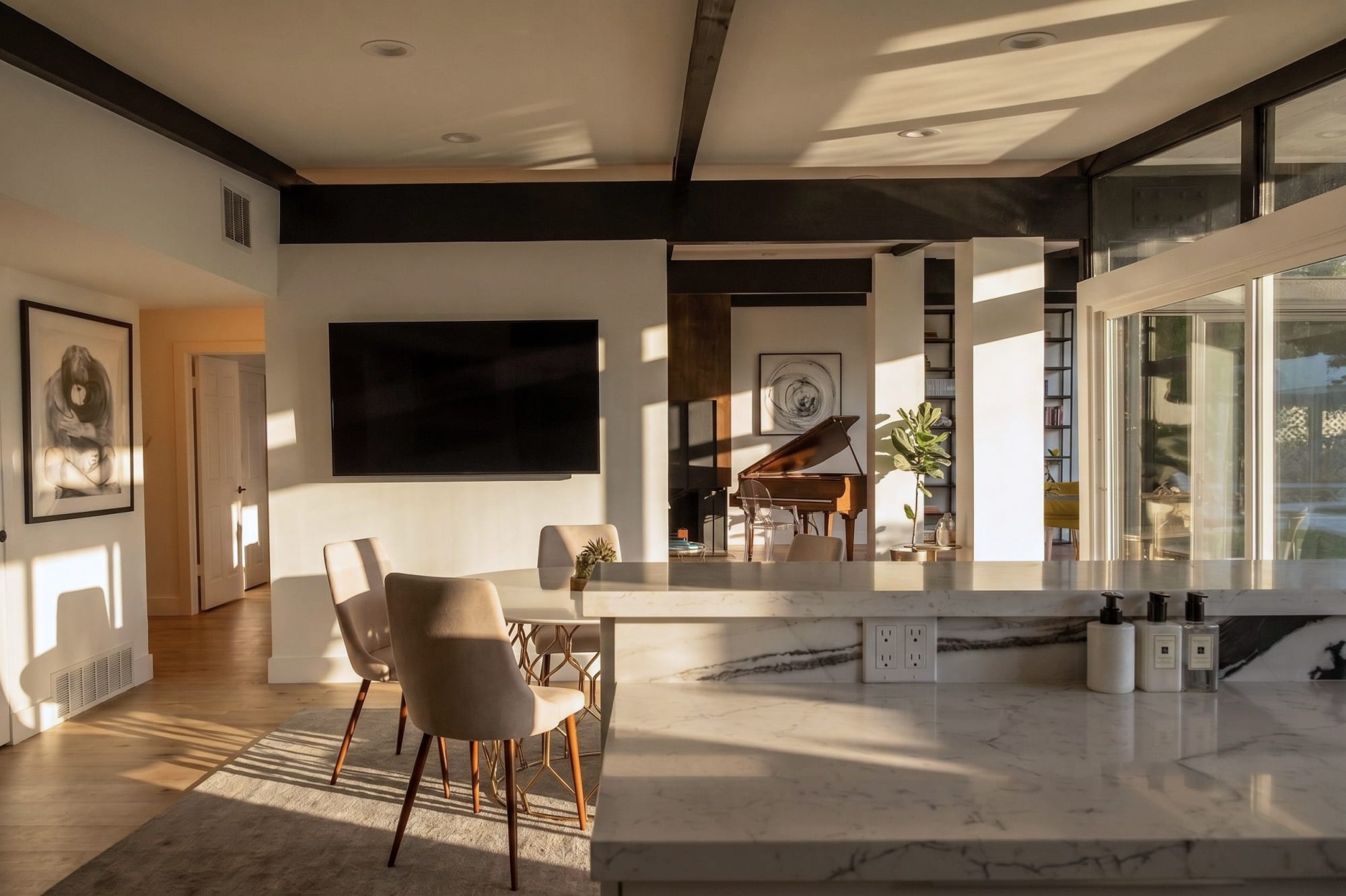
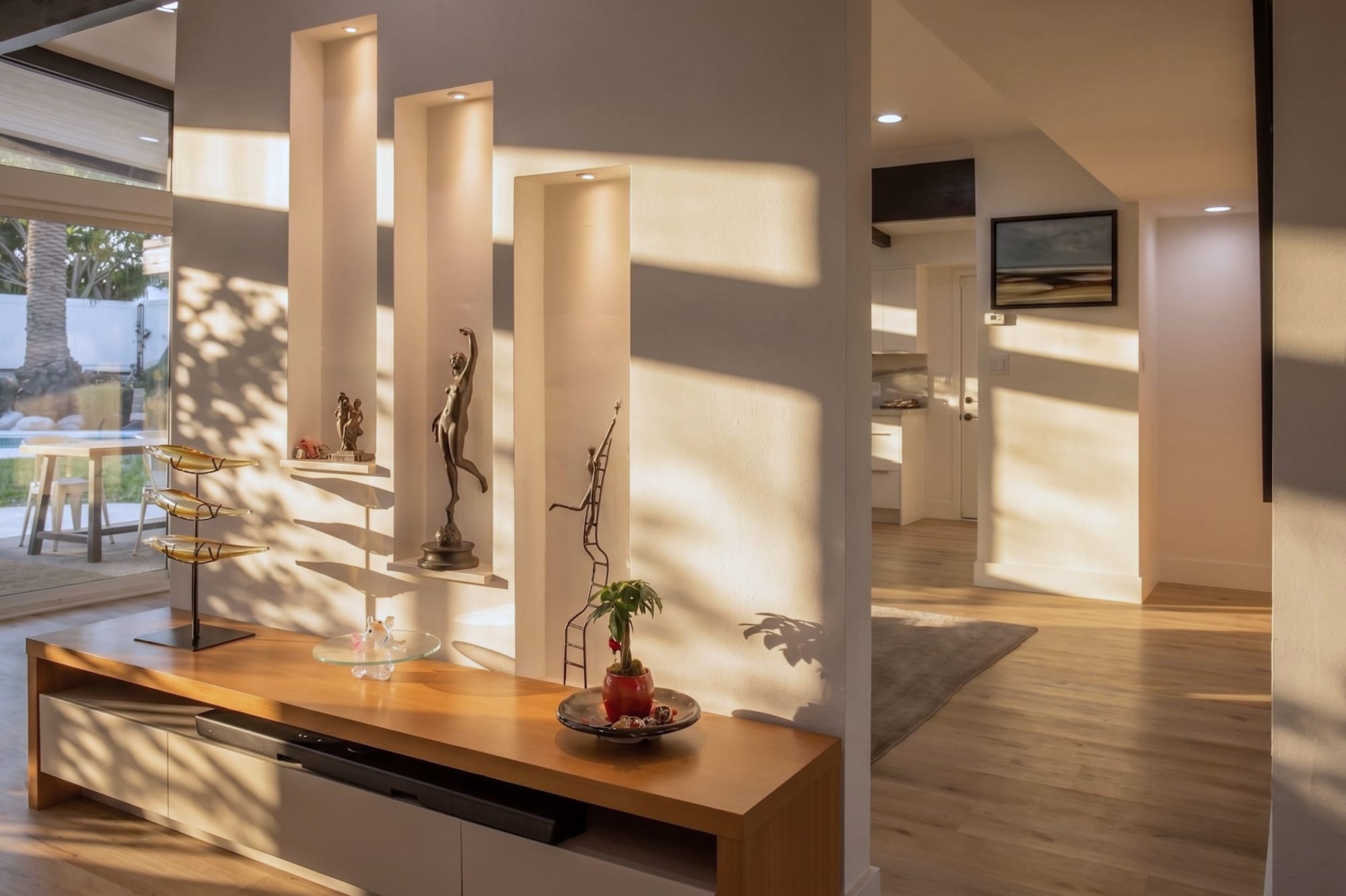
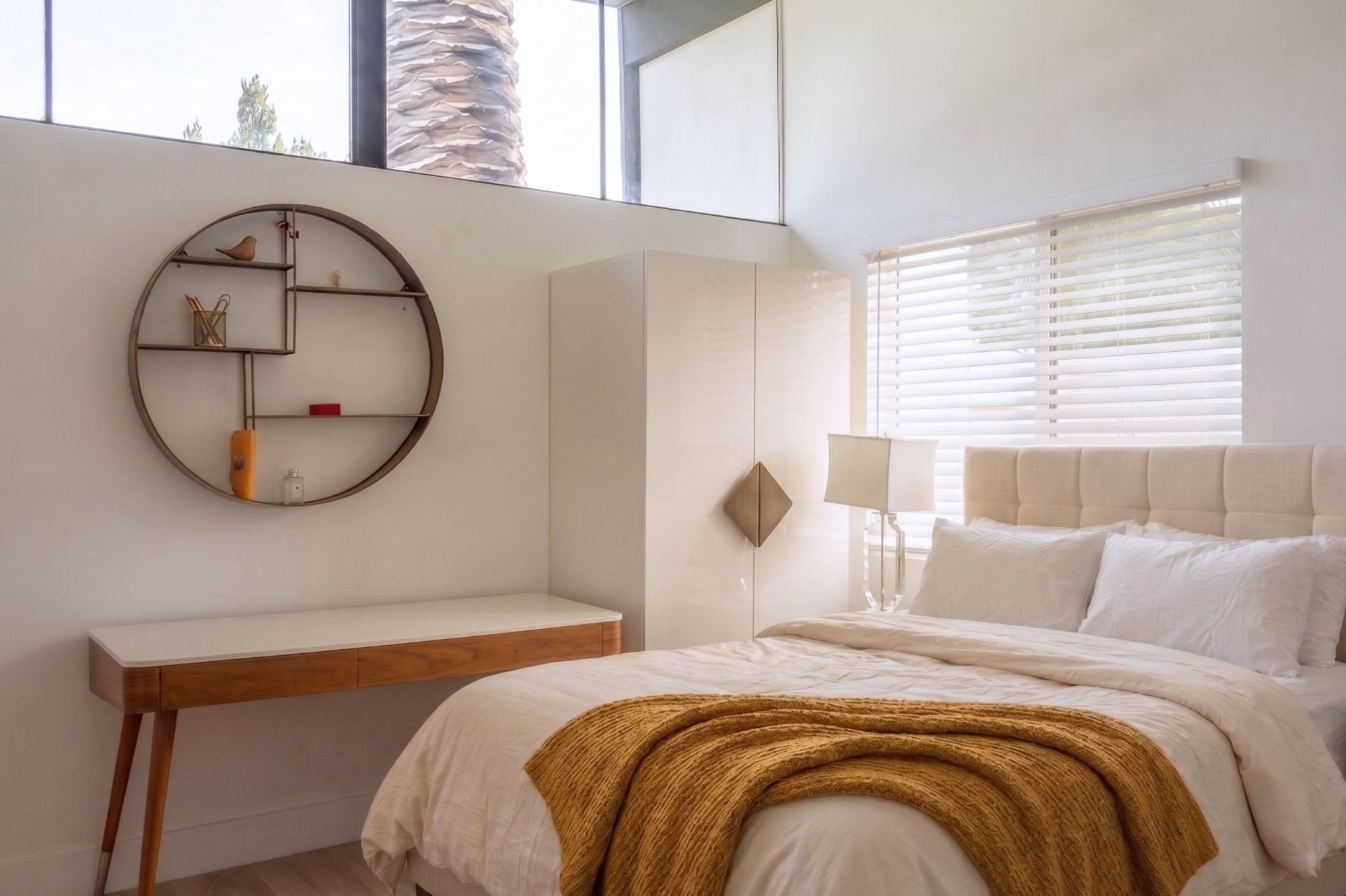
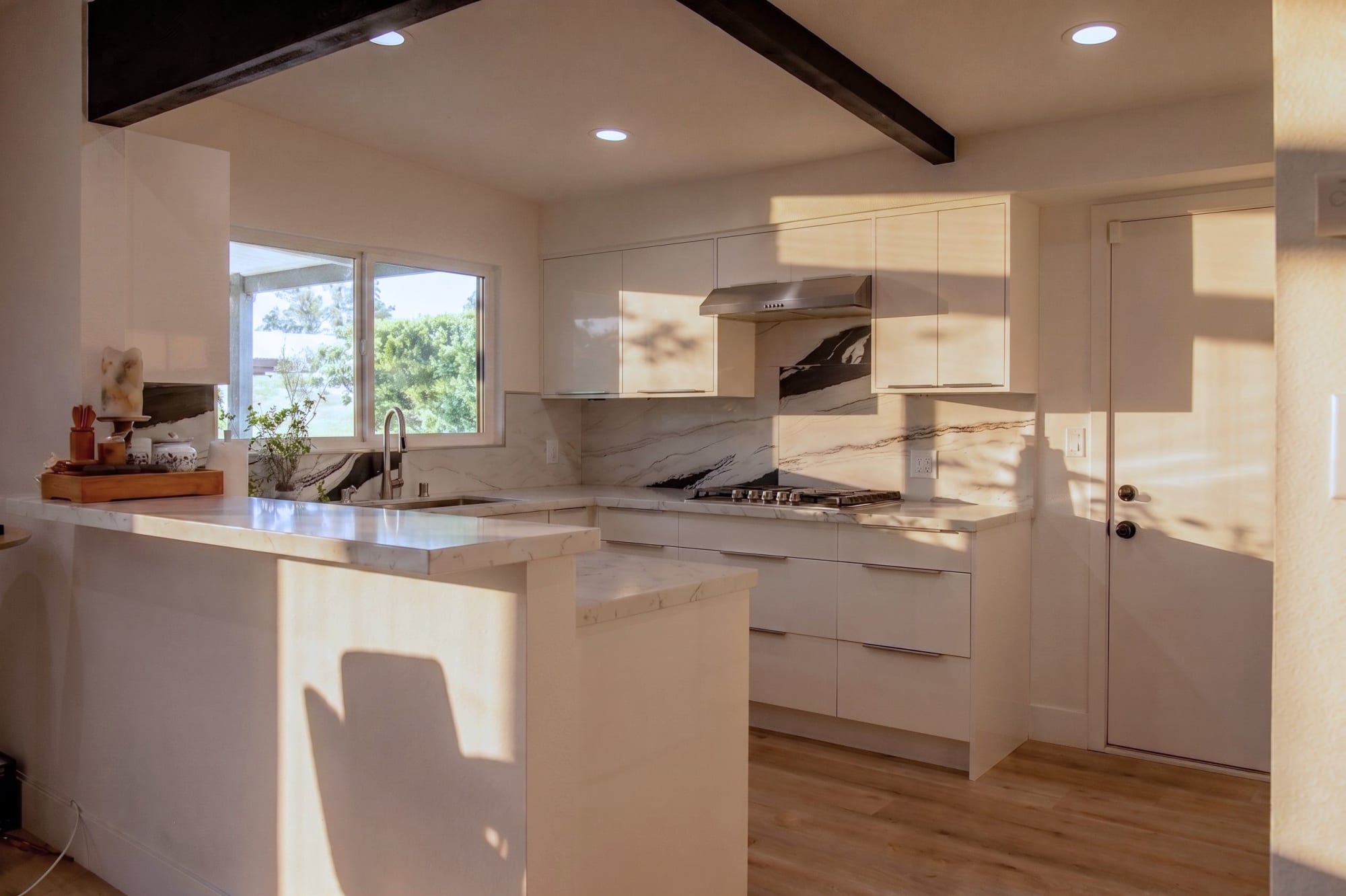
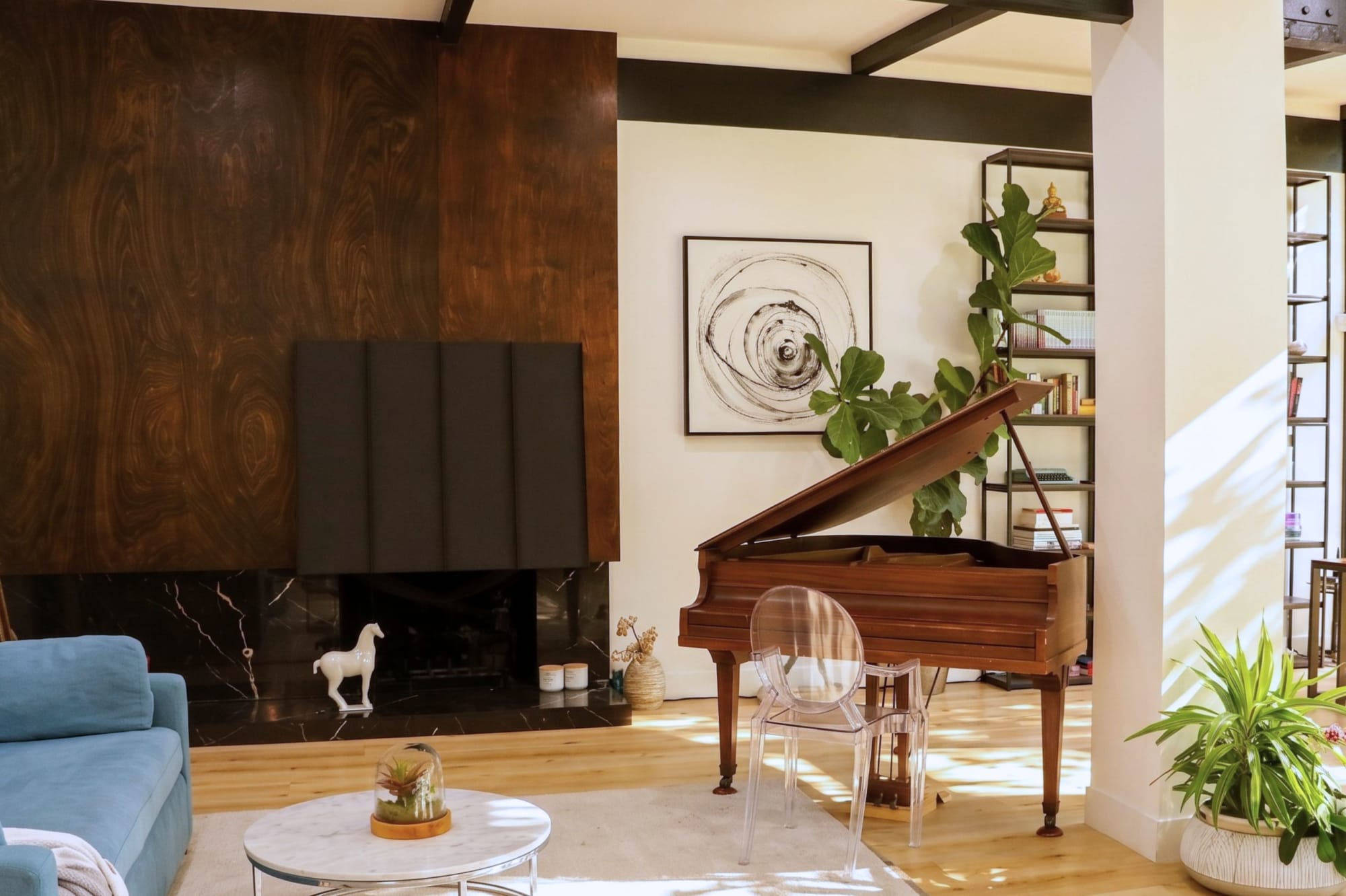
Expansive glass opens the living areas to garden and sky. Wood beams cross overhead; sunlight and shade trade places through the afternoon. Kitchen and dining flow without interruption — open, generous, made for gathering. Roughly 1,890 square feet, renovated in 2022 with the character left intact.
INDOOR / OUTDOOR
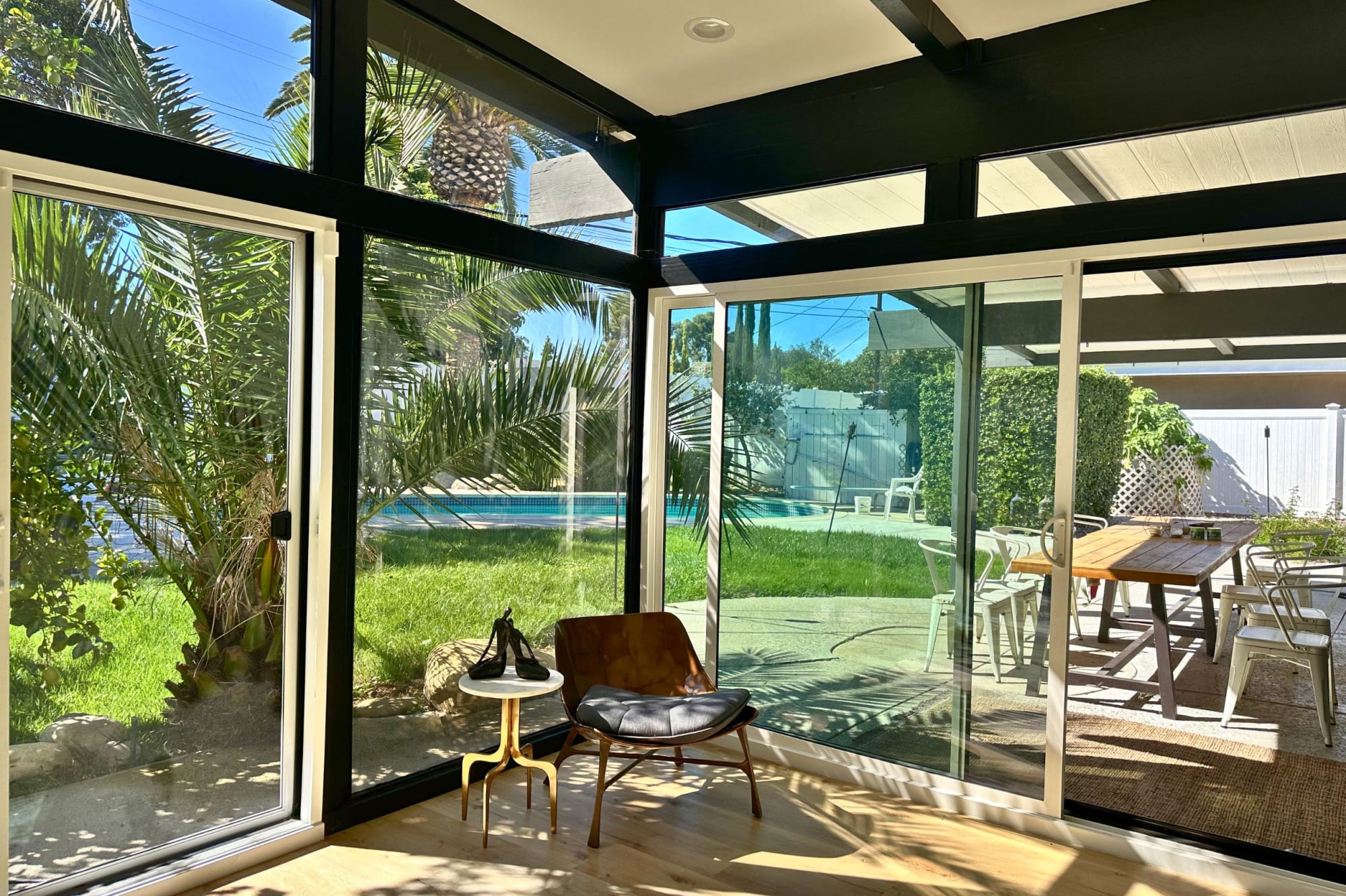
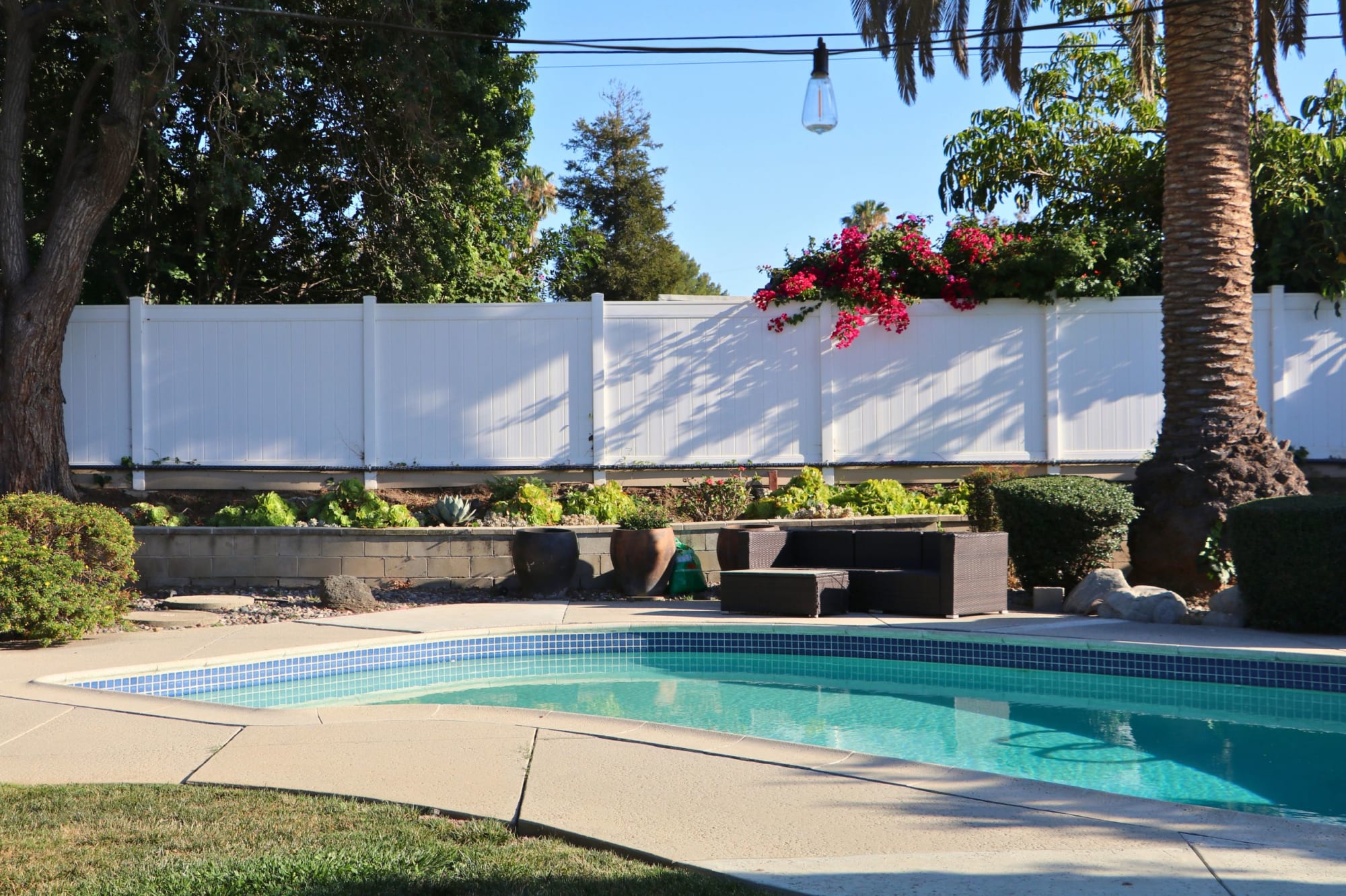
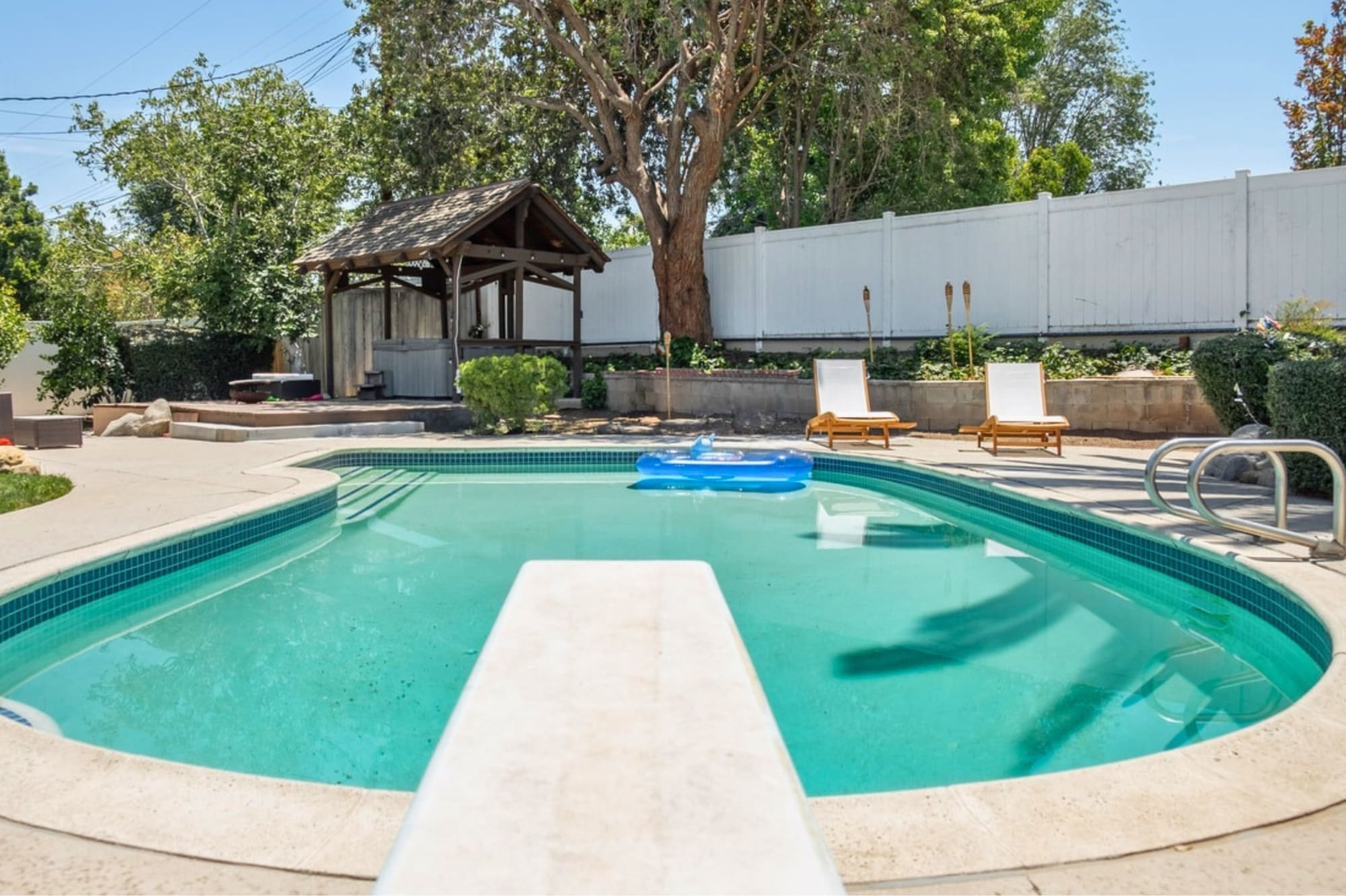
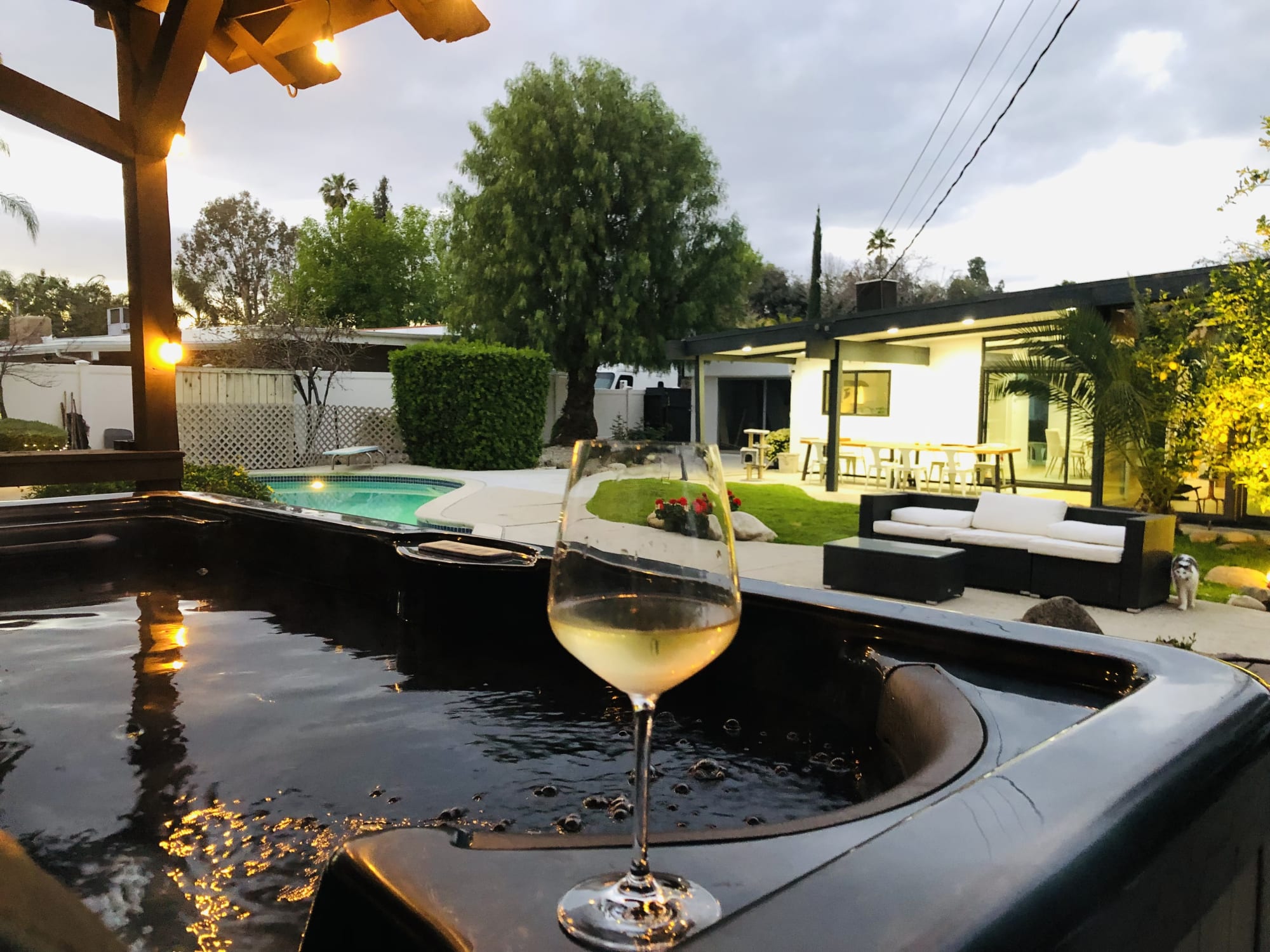
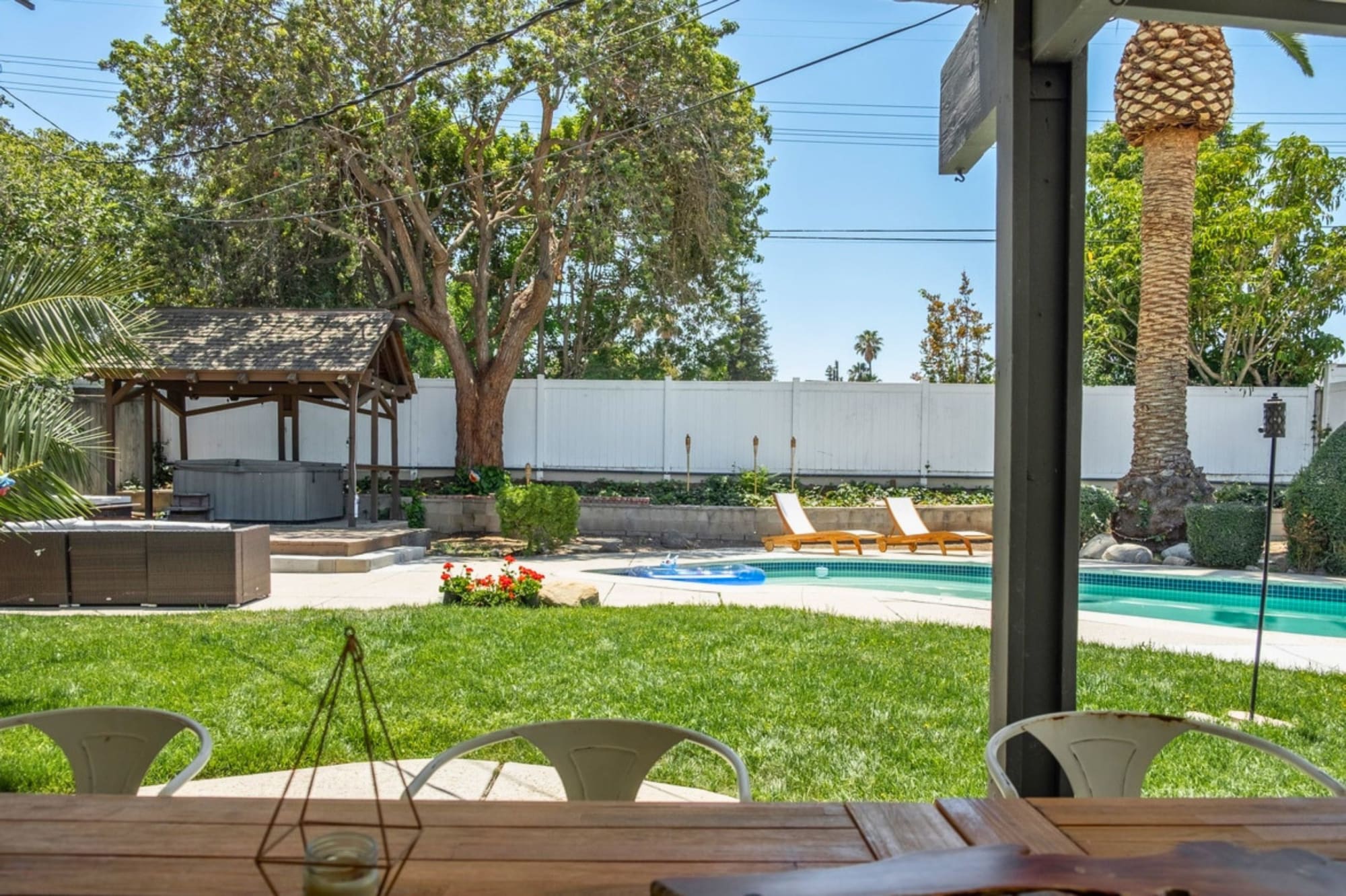
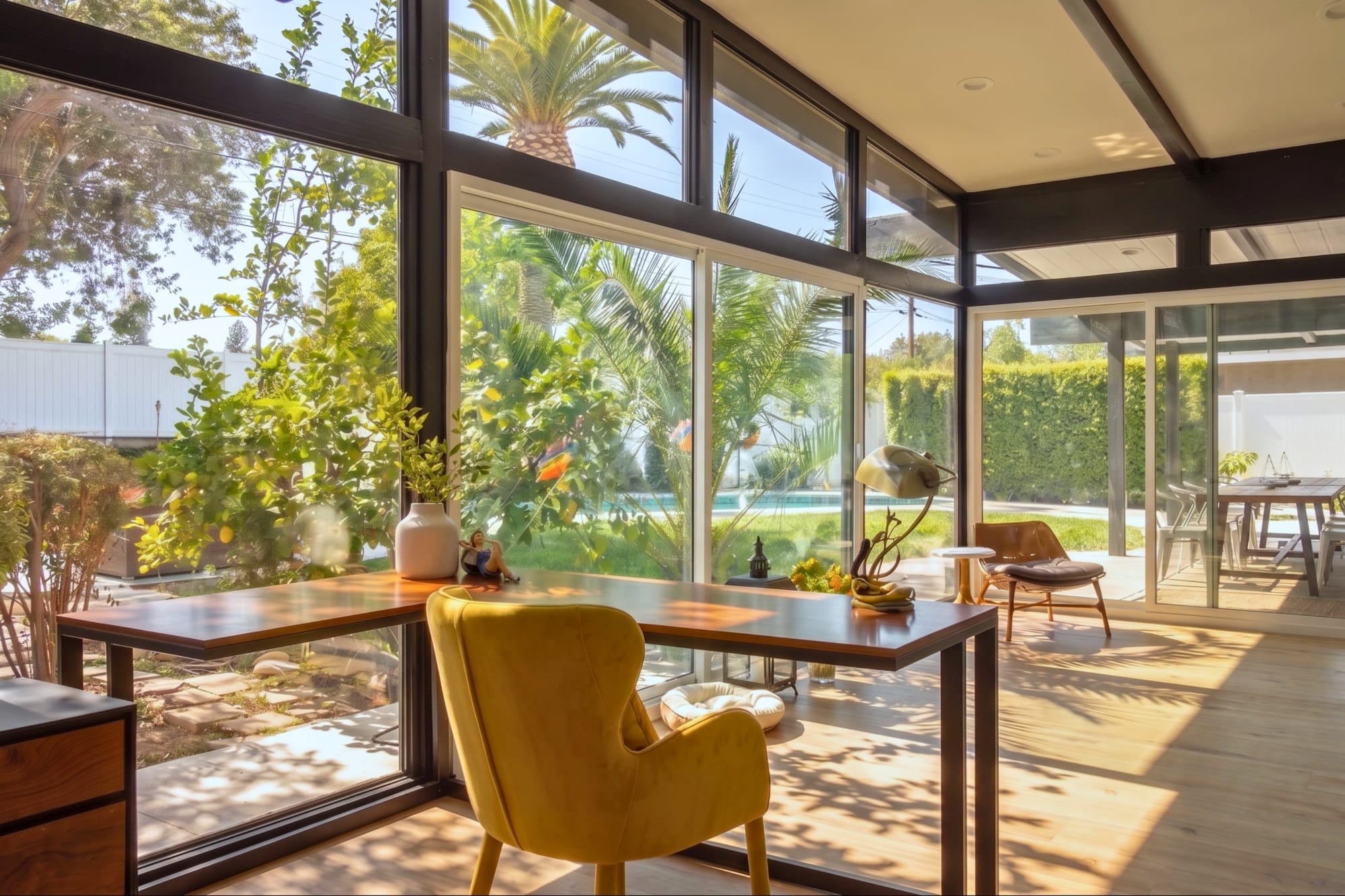
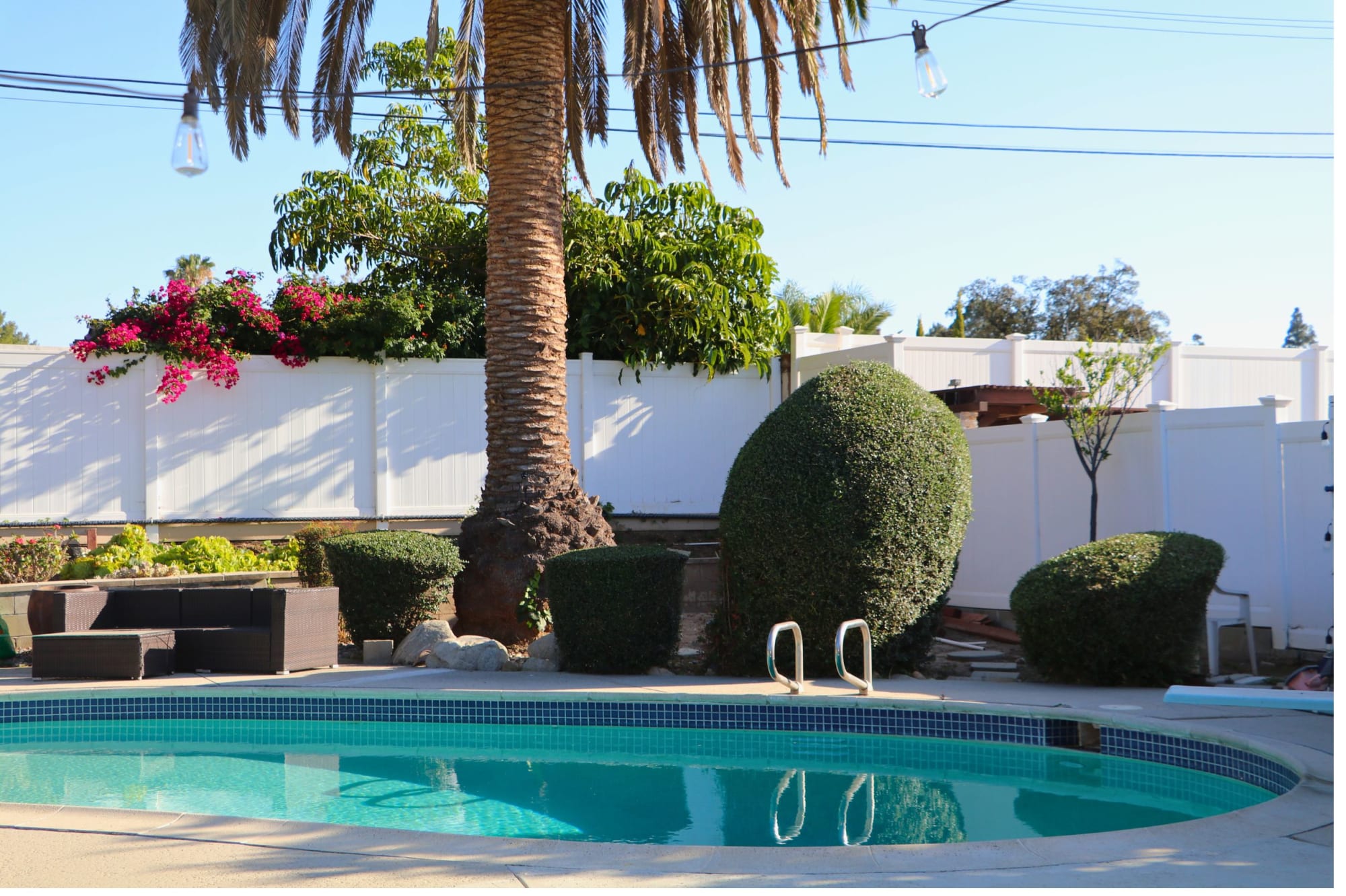
The house is organized around the Southern California promise that living does not stop at the wall. Glass opens the daily rooms to the garden; the pool becomes an outdoor living room; shade, planting, and water create a private rhythm that feels distinctly Los Angeles.
THE STUDIO
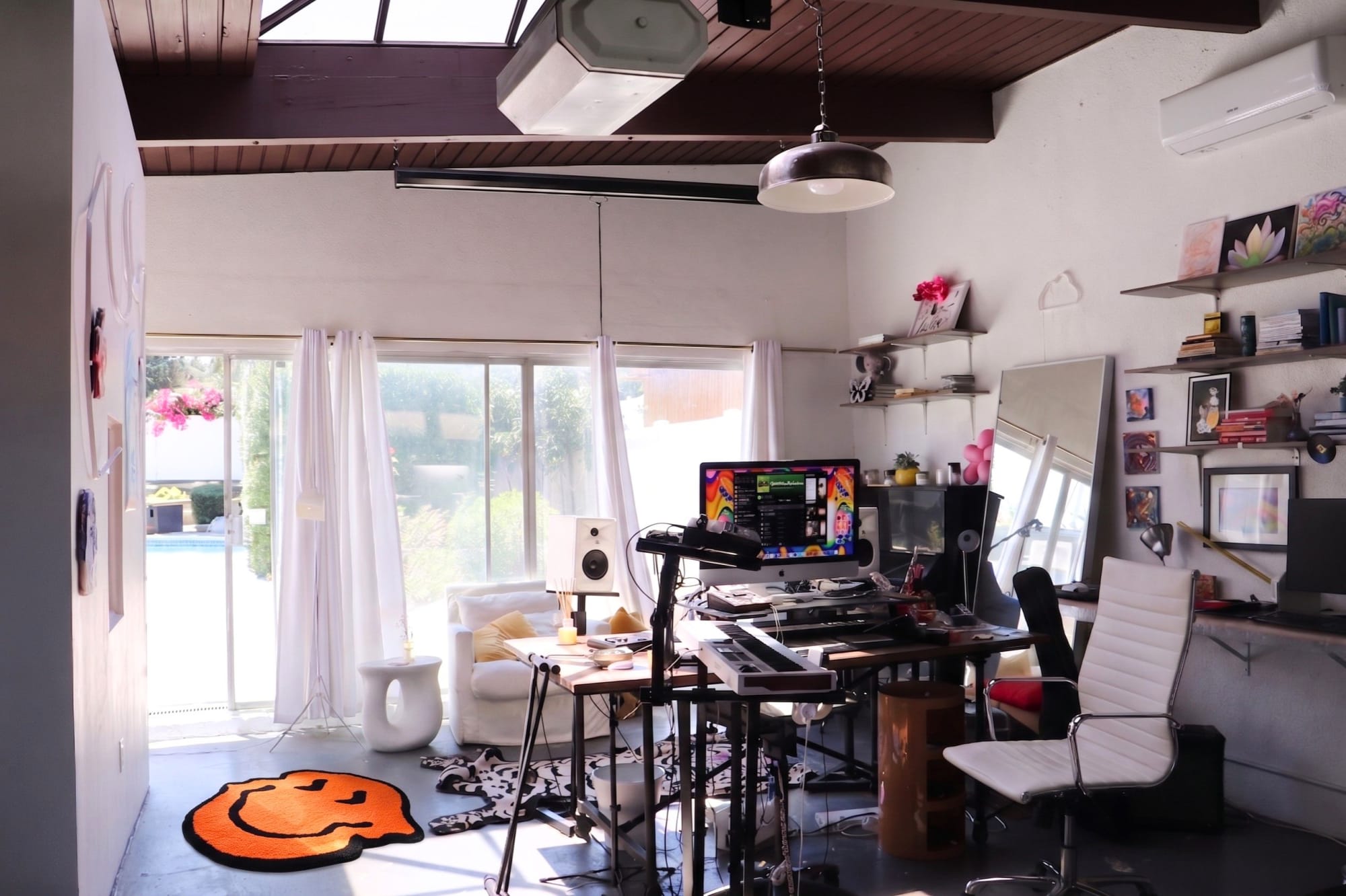
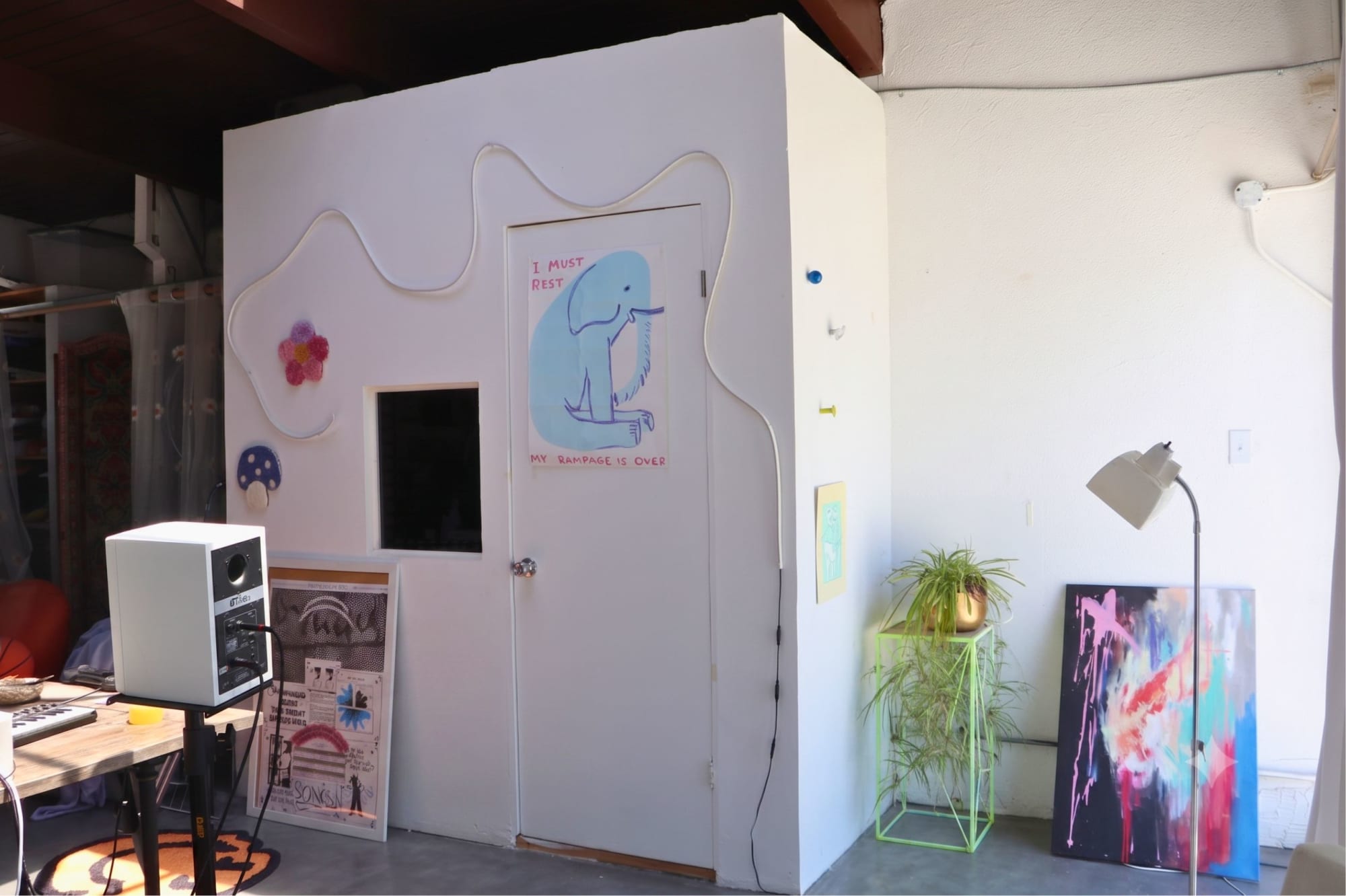
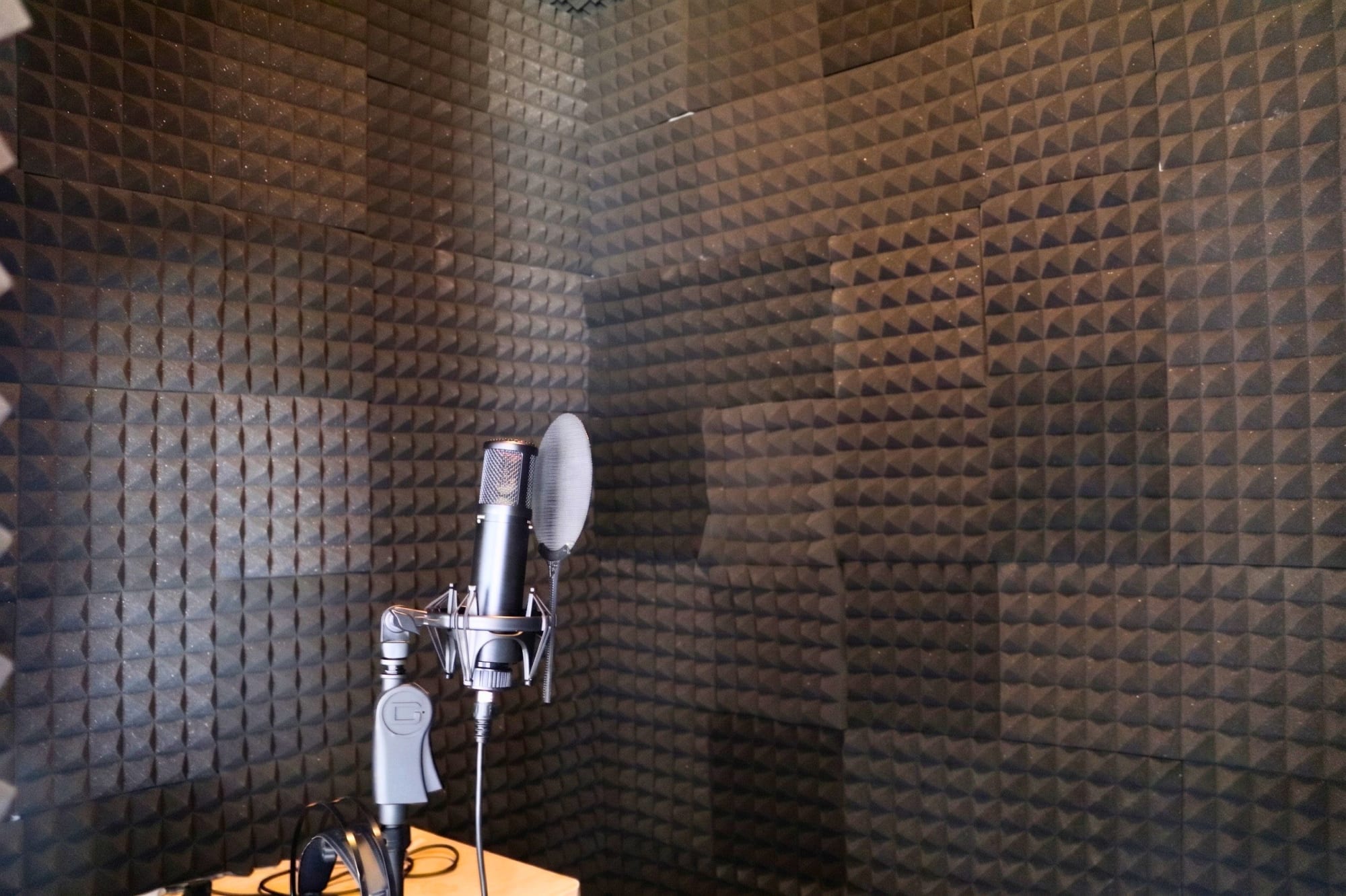
The home's quiet surprise sits where an unfinished garage used to be: a studio carved out with wood beams, a skylight, and a kind of stillness that's hard to find. Sound-treated and light-filled, it's a room built for focused creative work — a recording space, a writer's retreat, an editing suite, a place to make things. With an AC unit and a built-in recording booth, this space is ideal for musicians, filmmakers, podcasters, writers, editors, and content creators. Very few homes offer it.
ORIGINAL CHARACTER, CURRENT COMFORT
Fully renovated in 2022 and meticulously kept since — a new premium cool roof, electrical panel, and pool systems mean the bones are original but the comfort is new. Approved plans and permits for an ~800 sq. ft. ADU leave room to grow: a guest house, a second studio, or income.
A home for people who understand that great architecture isn't just seen. It's lived.
Or call 424-249-9557 directly to arrange a private showing.